I cringe every time I see the words mouthwatering or taste buds used in food packaging copywriting. Food brands use these words ubiquitously, but are they really appetizing? Not at all. When you’re trying to sell your food product, why are you talking about bumps on the tongue and an excess of saliva in the mouth? It’s quite a turnoff, actually. But these descriptors are so commonplace that they have become accepted as the norm.
You can and should do better. Why? Because mediocrity has become commonplace, especially with the proliferation of AI writing, thinking, and creating in place of humans. The more these words are used, the more they are referenced and used by humans and AI alike. Real human thinking and creativity stands out all the more from this sea of “good enough.”
So what can you say instead? Read on to find out.

Move beyond cliches
Let’s cut to the chase and avoid beating around the bush with tired, overused phrases. (See what I did there? *wink*)
Cliches are boring—and convey a lack of effort, imagination, or awareness. They are so overused in food packaging copywriting that they almost get no reaction. Everything on your food package matters and should be strategic, down to every single word used on the package.
How to best write your food product description depends on:
- What your food product is
- How it’s different from your competitors
- Your key selling points
- Your audience
- How the product is used
- Your brand personality
Brainstorm and think about what you are really saying. Be clear, direct, strong, fun or clever if appropriate, and approachable. Does the description excite you? Would you buy it based on the description alone? Let these thoughts guide you in your process.
Use words that work
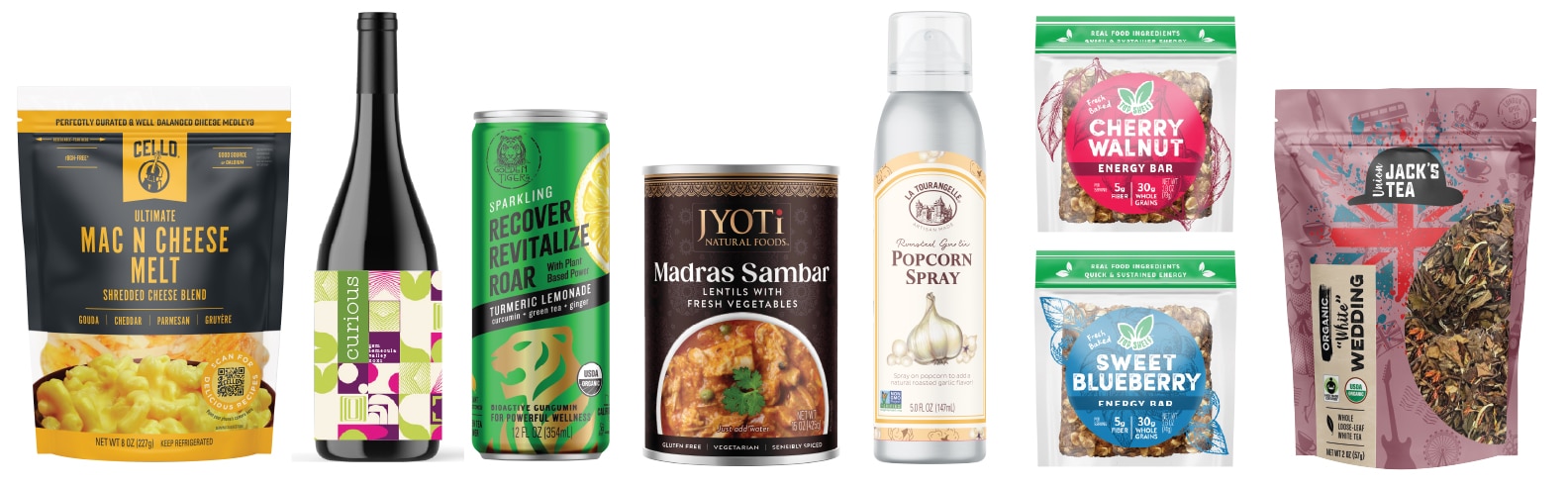
In strategic food packaging, it’s all about that brief 1-2-second window of opportunity your food package has to capture attention and generate interest. Some words like Artisan, Craft, or Authentic are common but effective: They work to define the product in the mind of the consumer quickly and succinctly. Just be sure to go further and explain why.
If you try to get overly creative or wordy, and the consumer doesn’t immediately understand what your product is and why it’s different, then you’ve lost in that window of opportunity.
Go freeform
If you are having a hard time coming up with what to say in your food packaging copywriting, I suggest talking about it freeform. By that I mean, if you were telling a friend about this product that you’re so excited to share with them, what would you say? Just start talking about it as you normally would, and see what comes up worth sticking with. This approach and tone can be refreshingly different from polished, “expected” writing.
Don’t forget your brand story
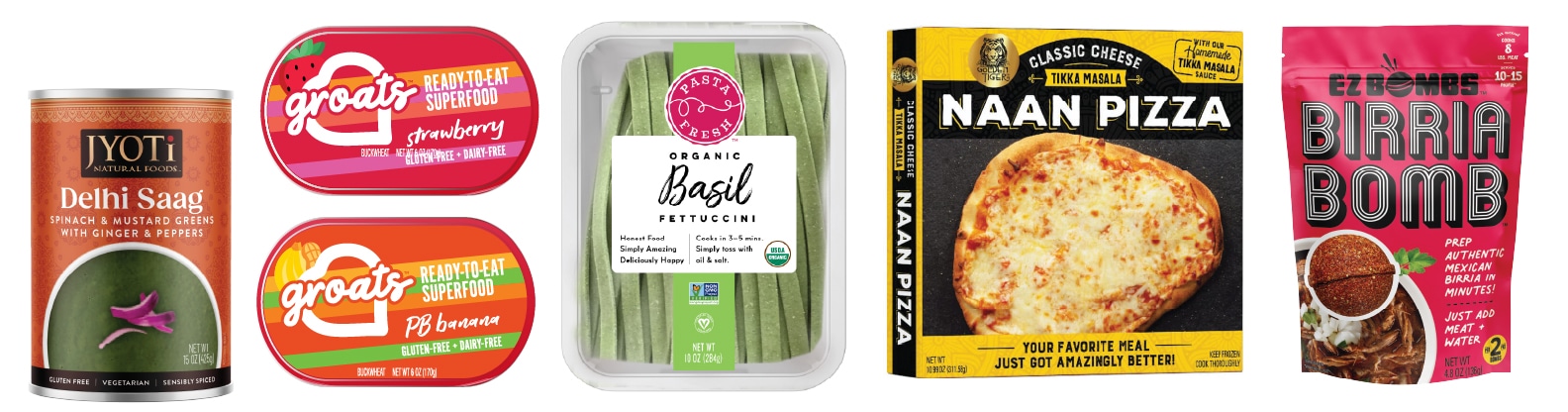
In addition to your food product description on the package, you at least want to touch on some part of your brand story as well—to connect with your consumer on a deeper level. Much of the brand-consumer connection is subconscious, and this goes a long way toward creating a lasting impression with your consumers.
You likely won’t have space for your entire brand story, so pick the most important aspect and at least say that much. Sometimes it’s just a phrase or a sentence or two—it doesn’t take much.
What about AI?
AI can have a place as a supportive tool in food packaging copywriting, but not as a replacement for human creativity and human tone. Maybe you use it to get some ideas for flow and tone, or to make what you wrote more succinct, then make it your own from there. Always make it your own. AI misses the mark with its creativity often, even when it looks and sounds “good.” [More on AI to come in a series of AI articles I’ll be publishing soon.]

Final thoughts
I encourage you to speak meaningfully and emphatically in your food product description on your packaging, website, marketing, etc. Remember that doing something different from the mediocre norm, stands out. Standing out not only in your design but also in your messaging go hand in hand. Consumers are reading packages more before buying, and putting more emphasis on meaningful brands and products that go beyond and do different. The words you use are an easy way to make an impact.